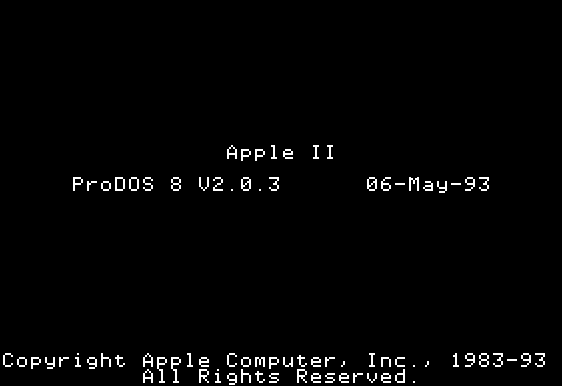
ProDOS 8
ProDOS brought hierarchical directories, larger volumes and a standard machine-language interface to the 8-bit Apple II.
- First available
- October 1983
The catalog retains October 1983 as the public introduction month. The 1984 Apple IIe supplement is documentation of the shipping system, not evidence of an exact October day.
Image: Apple Computer, Inc. interface; The Wessens Macintosh collection capture · Apple software interface copyright retained; no open license is claimed. ↗
History
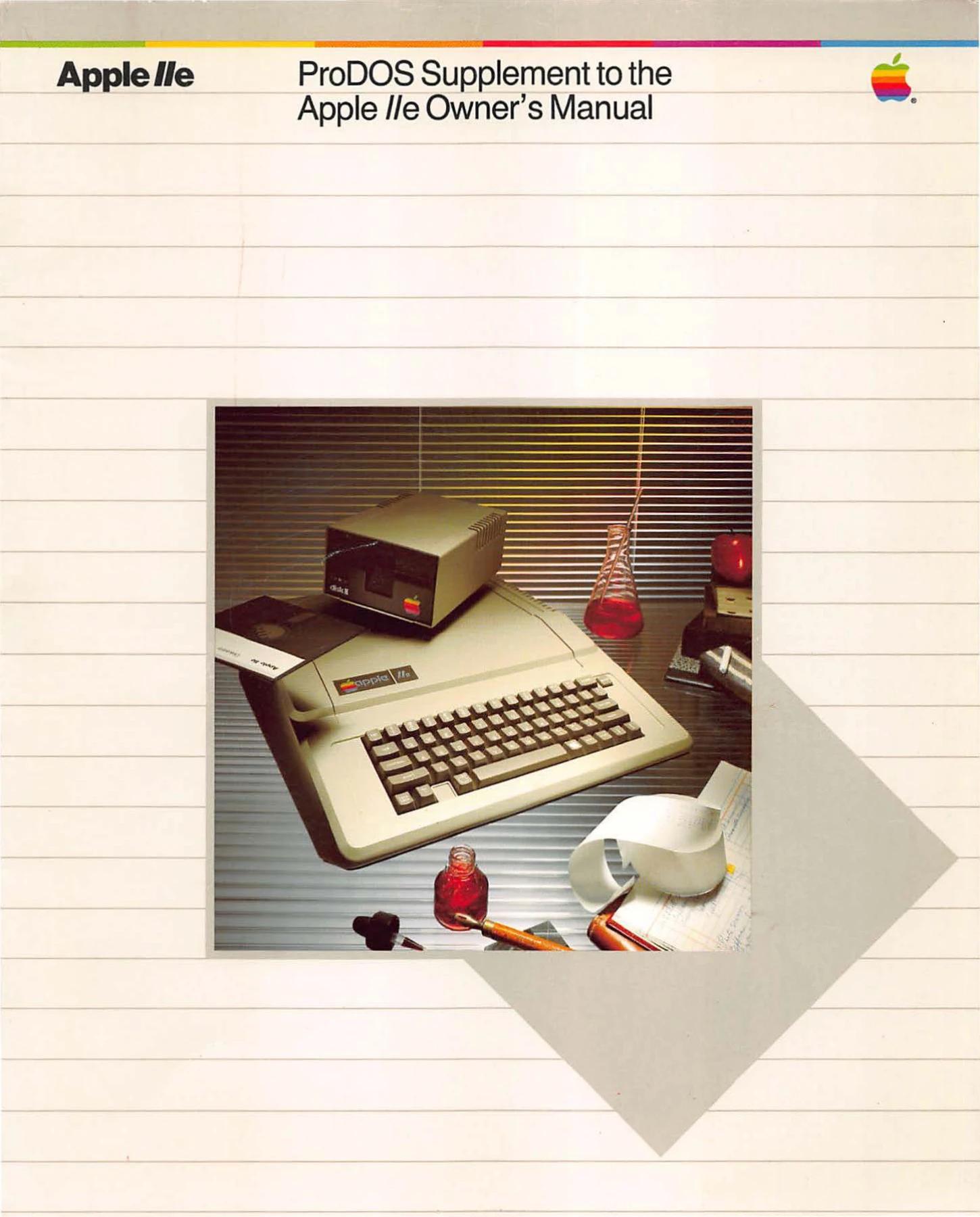
Apple’s IIe supplement explains the BASIC.SYSTEM environment and its new file-management routines. The system evolved separately from the 16-bit ProDOS 16 and GS/OS line; “ProDOS 8” identifies that 8-bit branch rather than a single patch build.
Media 7
View all ↗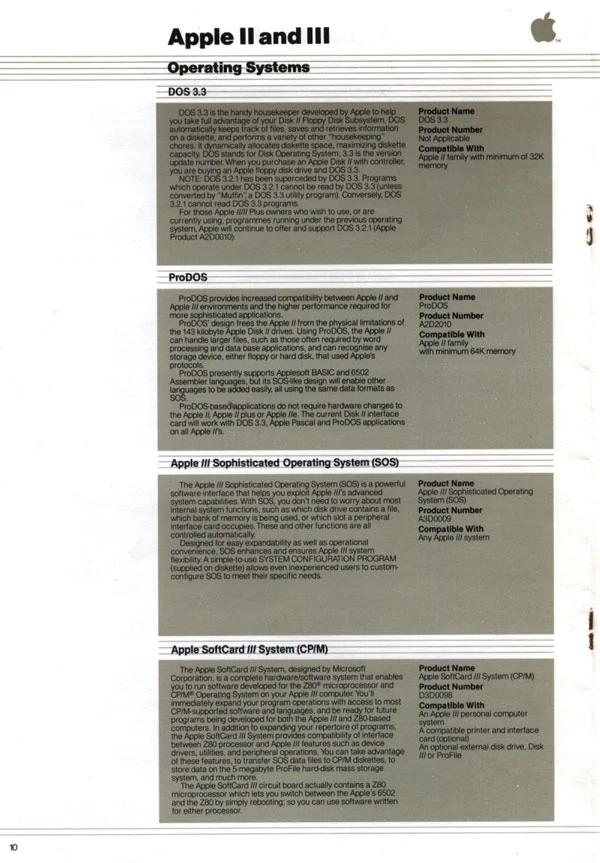
6 of 7 records
Details
Specifications
8 fields
- Software type
- Operating system
- Version
- 8-bit
- Platform / requirements
- Apple II with 64 KB RAM and compatible disk hardware; 65xx processor
- Key changes
- Subdirectories; volumes up to 32 MB; BASIC.SYSTEM; Machine Language Interface
- IIe supplement: operating-system matching
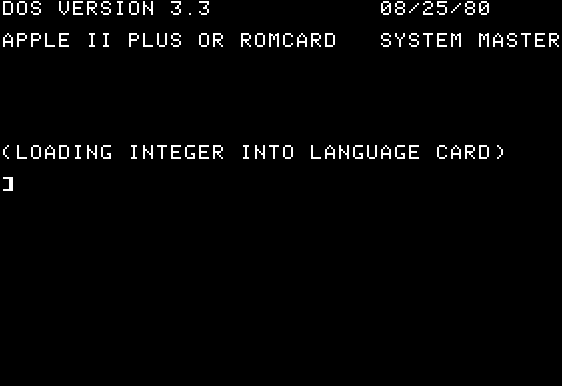
- An application must use the operating system for which it was designed; an unmodified Apple IIe can start ProDOS, DOS 3.3 and Pascal disks ↗This is startup compatibility, not a promise that an arbitrary DOS or Pascal application runs under ProDOS.
- IIe supplement: catalog display
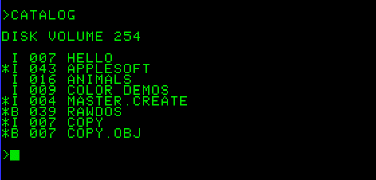
- The Applesoft CAT command displays file names, types, sizes in blocks and modification dates, plus blocks used and free ↗
- IIe supplement: locked-file boundary
- A locked file is protected against accidental changes or overwriting, but file locking does not protect it from whole-volume copying ↗
- IIe supplement: volume-copy preparation
- The ProDOS Filer’s Copy a Volume function formats the destination disk before copying; a separate formatting step is unnecessary ↗
Sources
7 sources
- ProDOS (revision 1381016591)Reference
- Apple — Apple IIe ProDOS Supplement to the Apple IIe Owners Manual 1984.pdfOriginal source
- SoftwareCollection record
- Apple IIe ProDOS Supplement to the Apple IIe Owner’s Manual — PDF page 9Original source
- Apple IIe ProDOS Supplement to the Apple IIe Owner’s Manual — PDF page 16Original source
- Apple IIe ProDOS Supplement to the Apple IIe Owner’s Manual — PDF page 17Original source
- Apple IIe ProDOS Supplement to the Apple IIe Owner’s Manual — PDF page 19Original source
A named operating-system release or explicitly identified lineage. Requirements and delayed feature rollouts are described separately; firmware builds, security patches and device-specific rebuilds are not separate products.
Catalog data: CC BY-SA 4.0 (attributed version-history source facts)