PowerBook Duo 280
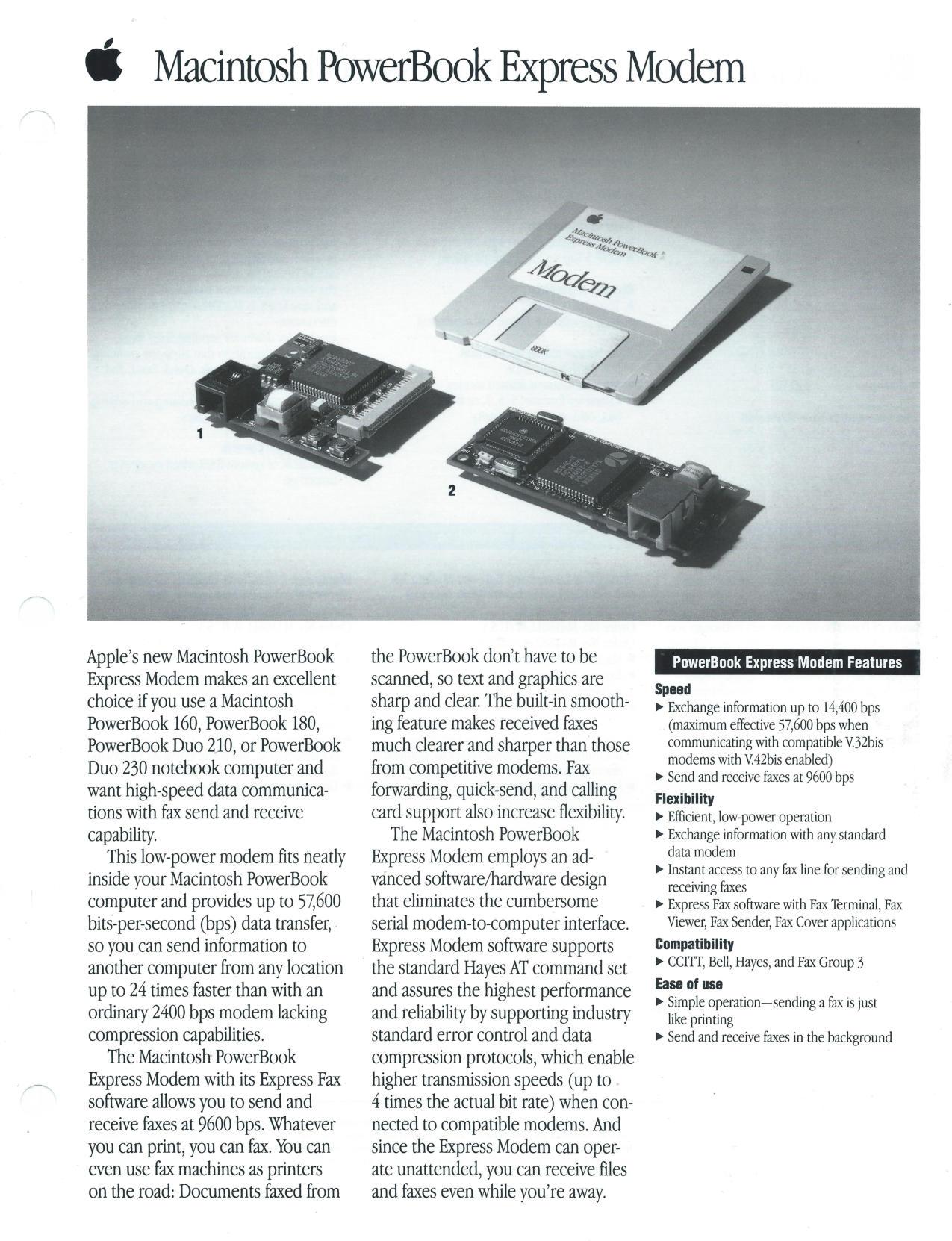
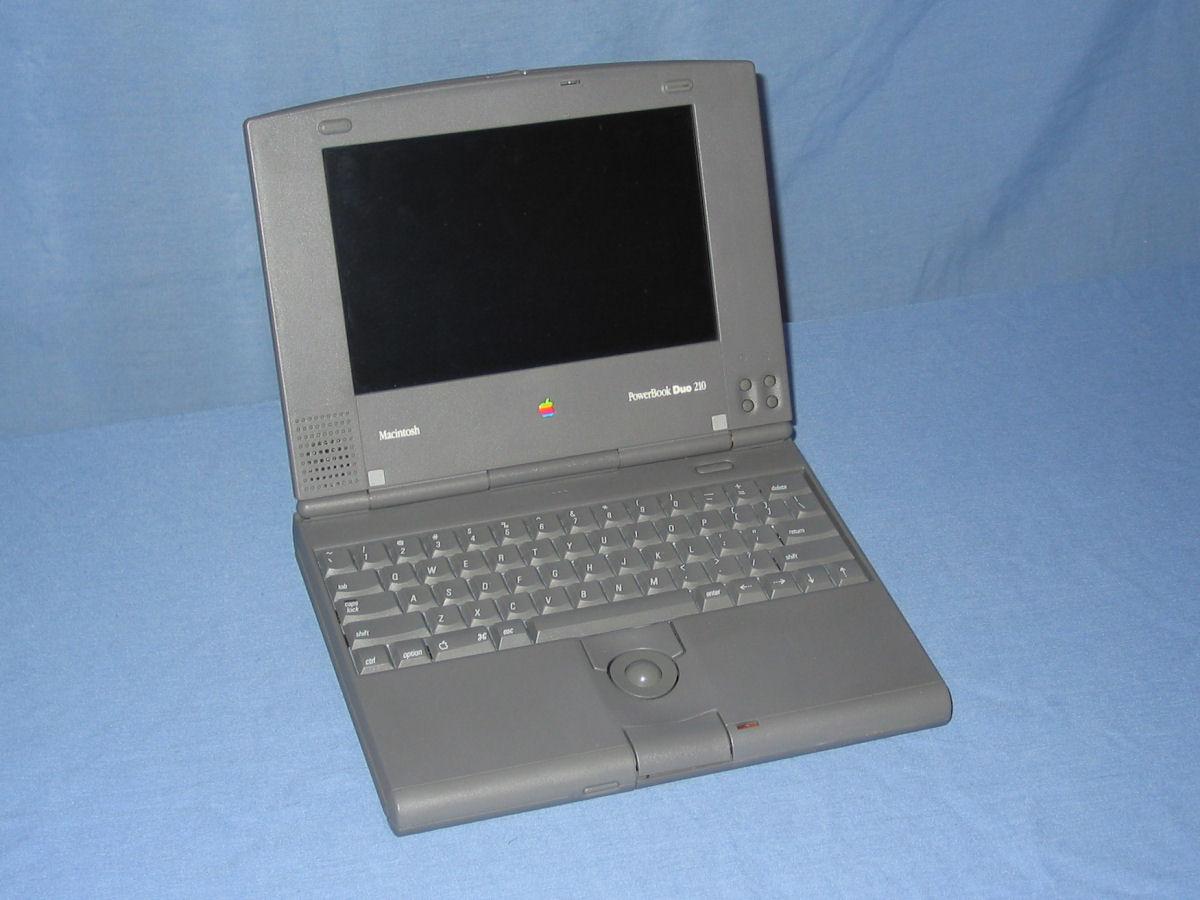
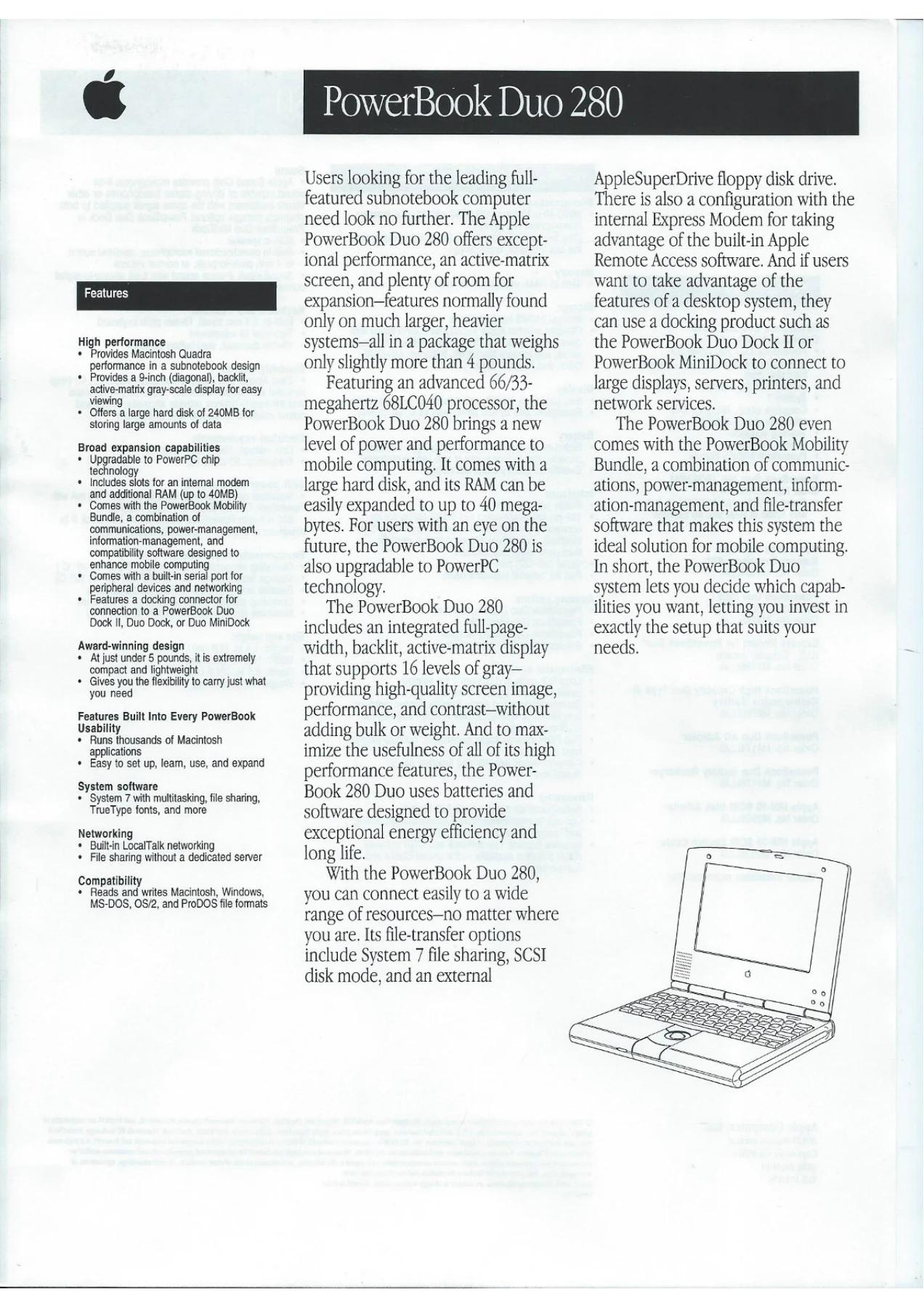
The PowerBook Duo Duo 280 followed Apple’s dockable-subnotebook approach: carry a small notebook, then add desktop interfaces and expansion through a Duo Dock or MiniDock. The compact computer omitted an internal floppy drive and most of the ports found on a full-size PowerBook.
- First available
- May 16, 1994
- Discontinued
- November 14, 1994
Inventory date, not independently verified announcement or shipping date; first-of-month dates may be approximate.
Image: Apple, Inc. — via apple-history.com · Rights reserved; no open reuse license stated by the collection ↗
History
Apple’s model record lists Motorola 68LC040 at 33 MHz (Apple reference clock: 66 MHz), a published memory range of 4 MB - 40 MB, and 240MB of internal SCSI storage. The original software entry is 7.1.1.
A rear docking connector joined the notebook to the expansion system. The different Duo models changed processor and display capabilities while retaining this division between the mobile computer and its desktop accessories.
The PowerBook Duo 280 configuration used an active-matrix grayscale display. This display distinction matters when identifying a surviving Duo; the enclosure alone does not establish the model.
Media 9
View all ↗



6 of 9 records
Details
Specifications
13 fields
- Processor
- Motorola 68LC040 at 33 MHz (Apple reference clock: 66 MHz)
- Memory (Apple published range)
- 4 MB - 40 MB
- Memory expansion
- 1, Duo
- Expansion
- modem, dock
- Internal storage
- 240MB
- Storage interface
- SCSI
- Original system software
- 7.1.1
- Weight
- 4.2 lb
- Dimensions
- 1.4 H x 10.9 W x 8.5 D in
- Documented PowerPC 603e upgrade kit
- Macintosh PowerBook Duo 200 Series Logic Board Upgrade Kit with PowerPC 603e (M3171LL/A); logic board, 100 MHz 603e, 8 MB RAM and 4 MB ROM, installed by an authorized Apple service provider. Original display and hard disk are retained. ↗
- Brochure-listed memory kits
- 4 MB: M4184LL/A; 8 MB: M4185LL/A ↗
- Brochure-listed Express Modem
- Express Modem for PowerBook Duo, M4186LL/A ↗
- Brochure-listed separate battery option
- PowerBook High Capacity Duo Type III Rechargeable Battery M2780LL/A, as separately listed in the ordering column ↗
Sources
6 sources
- Wikipedia contributors — List of Mac modelsReference
- PowerBook Duo 280 — source articleReference
- Apple Products: Dates Introduced and Discontinued (2/97) — p. 4Original source
- Macintosh PowerBook Duo 280: Technical SpecificationsOriginal source
- Apple Macintosh PowerBook Processor Card and Logic Board Upgrades with PowerPC 603eOriginal source
- PowerBook Duo 280Original source
Model-specific processor, memory range, storage, ports and software checked against Apple’s reference table; original brochures and configuration variants are retained as separate source evidence.
Catalog data: CC BY-SA 4.0 (Wikipedia contributors); Apple published product facts