Macintosh 16-inch Color Display
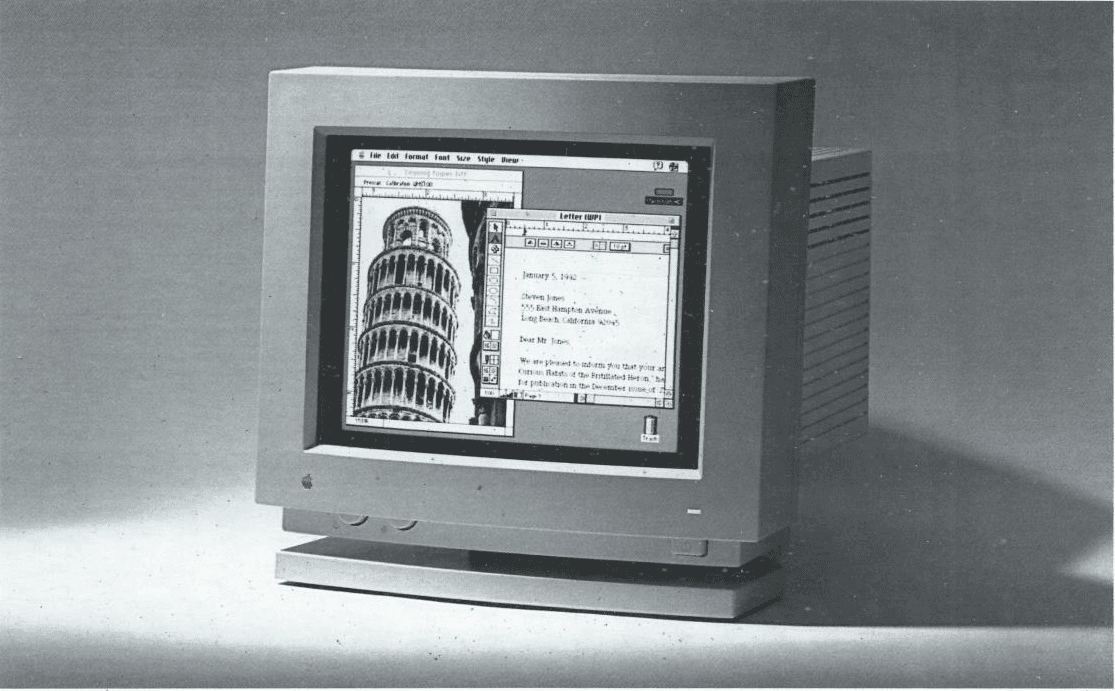
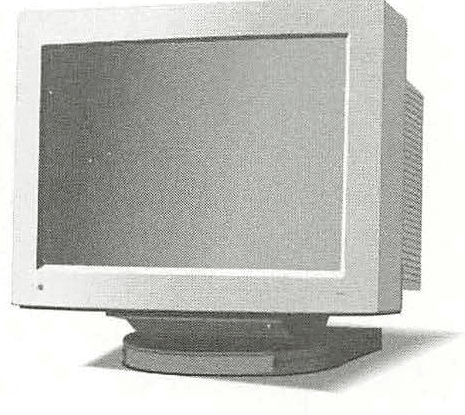
The Macintosh 16-inch Color Display used a 17-inch Trinitron tube with a 16-inch viewable image, 832×624 resolution and three ADB ports in its adjustable base.
- Discontinued
- April 1994
- Date
- 1991
Introduction October 1991 and discontinuation April 1994 are approximate dates in Apple TIL11051. No exact announcement or shipping day is established; the first-of-month entries in the later support table are not promoted to precise dates.
Image: Apple Computer, Inc. — original product photograph · Rights reserved · original Apple product photograph and publication; no open reuse license is asserted. ↗
History
Apple’s historical table dates the Macintosh 16-inch Color Display approximately from October 1991 through April 1994. In the February 1993 Apple Facts range, Apple presented it as a step up in desktop workspace: its 832×624 image offered up to 70 percent more work area than standard color monitors. The named 16-inch product used a 17-inch tube with a 16-inch viewable image.
The display combined a 75 Hz refresh rate with a tilt-and-swivel base and three Apple Desktop Bus ports for keyboard and mouse connections. Its 70 dpi image was a different fixed Macintosh format from the 640×480 desktop displays and the larger 1152×870 21-inch model. Apple’s contemporary catalog lists a 47-pound enclosure, so the dedicated base and physical footprint were significant parts of the desktop setup.
Media 11
View all ↗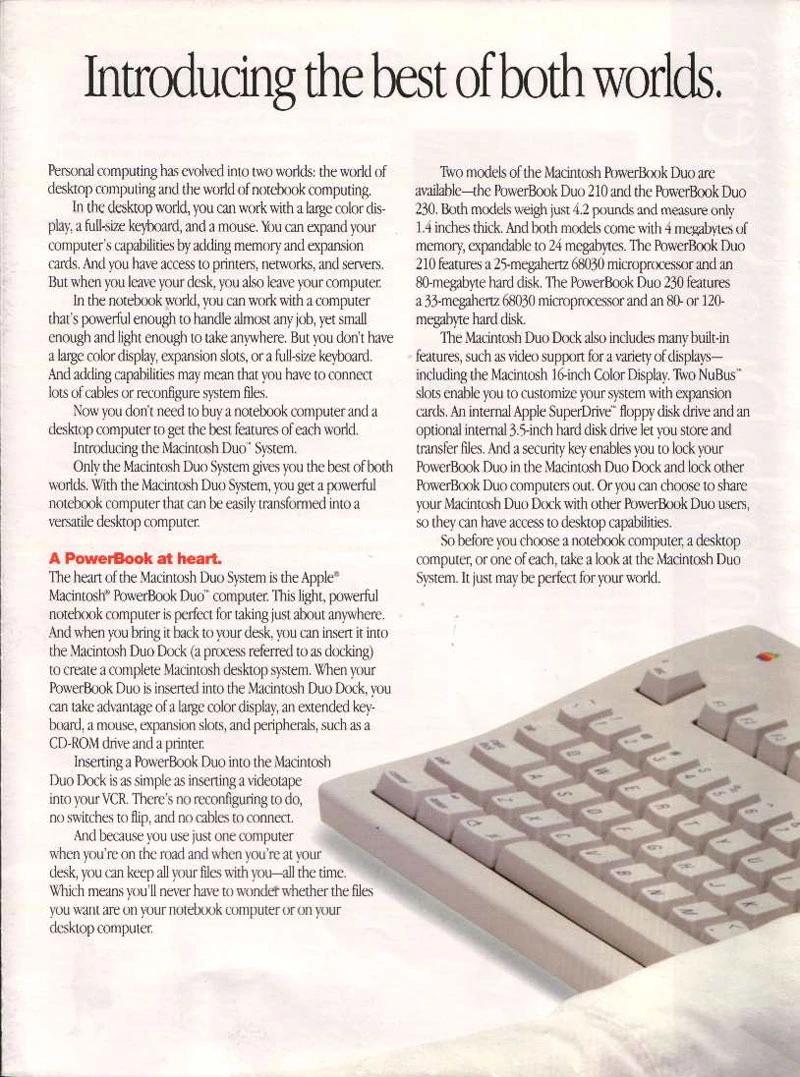
1992 PowerBook Duo System Brochure · Page 2
1992Brochure

Apple Facts — 9302 2.93 February 1993
1993Document
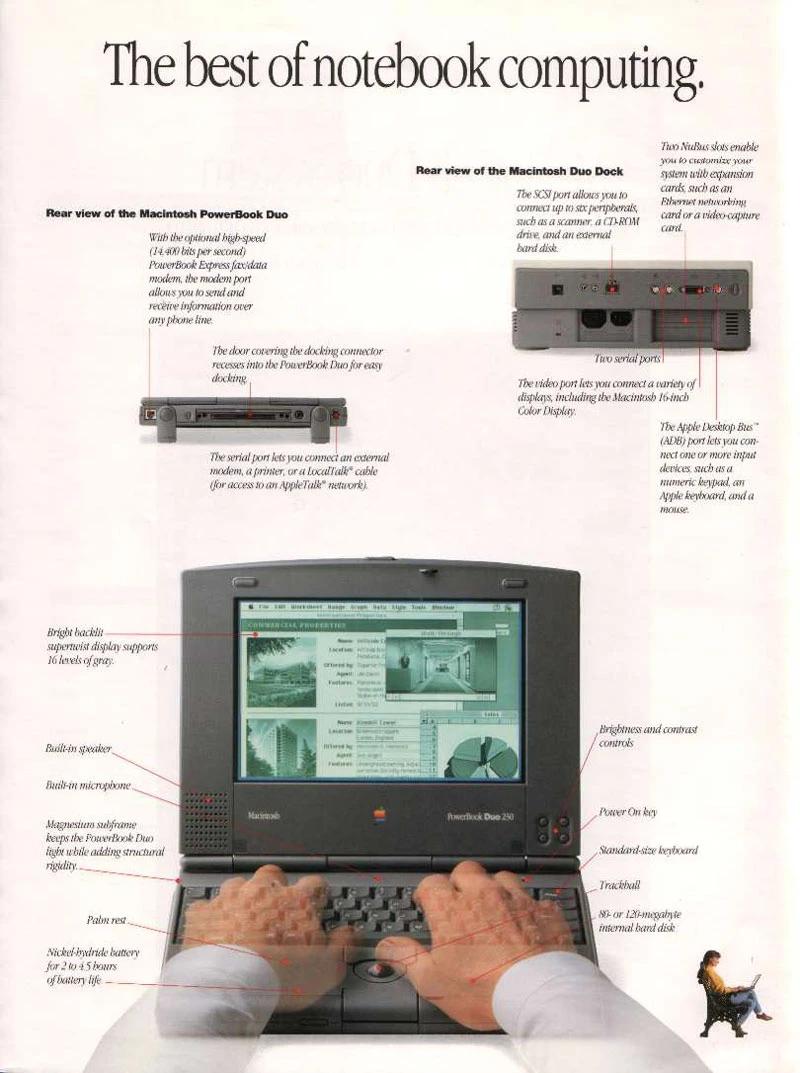
1992 PowerBook Duo System Brochure · Page 5
1992Brochure
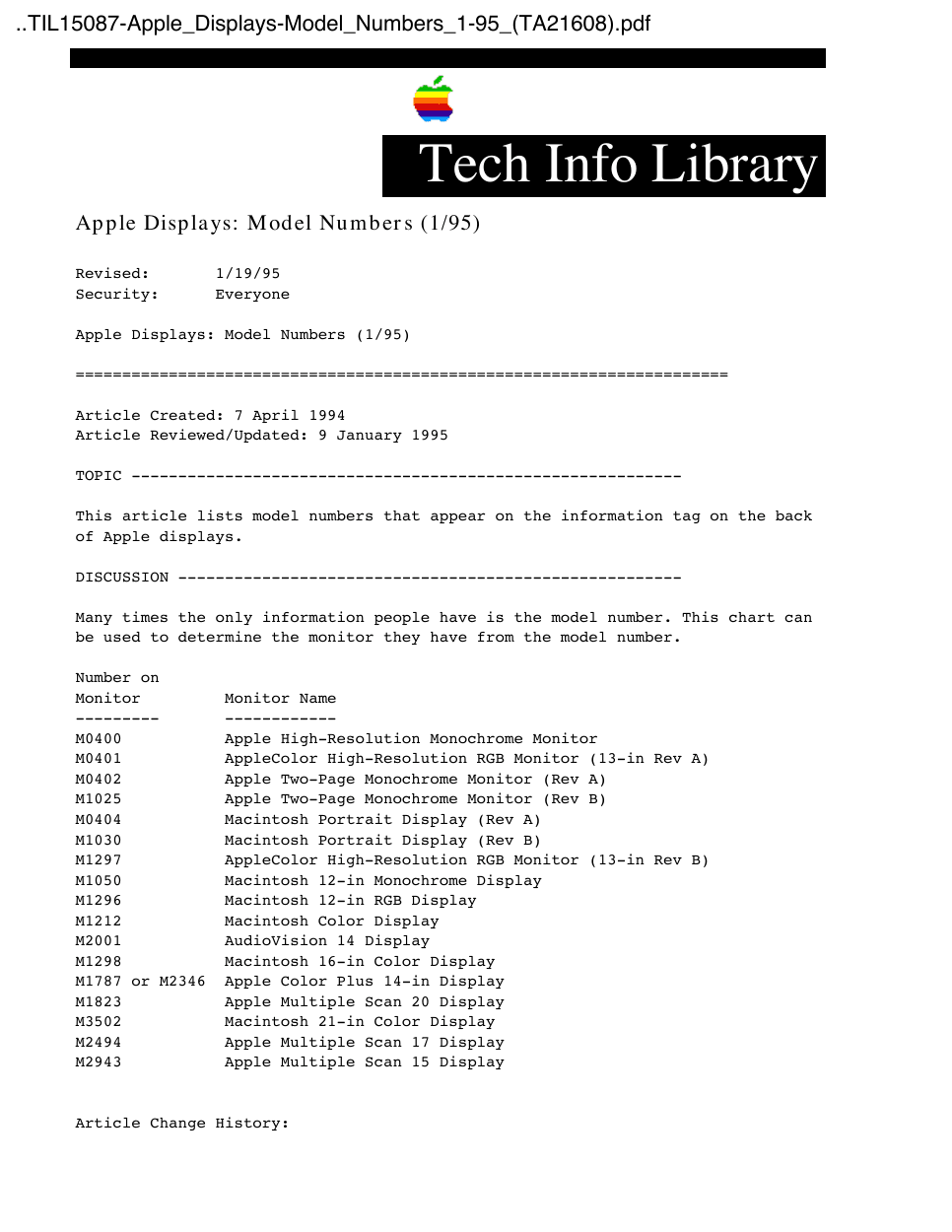
Apple Displays: Model Numbers — TIL 15087, January 1995 revision
1995Document
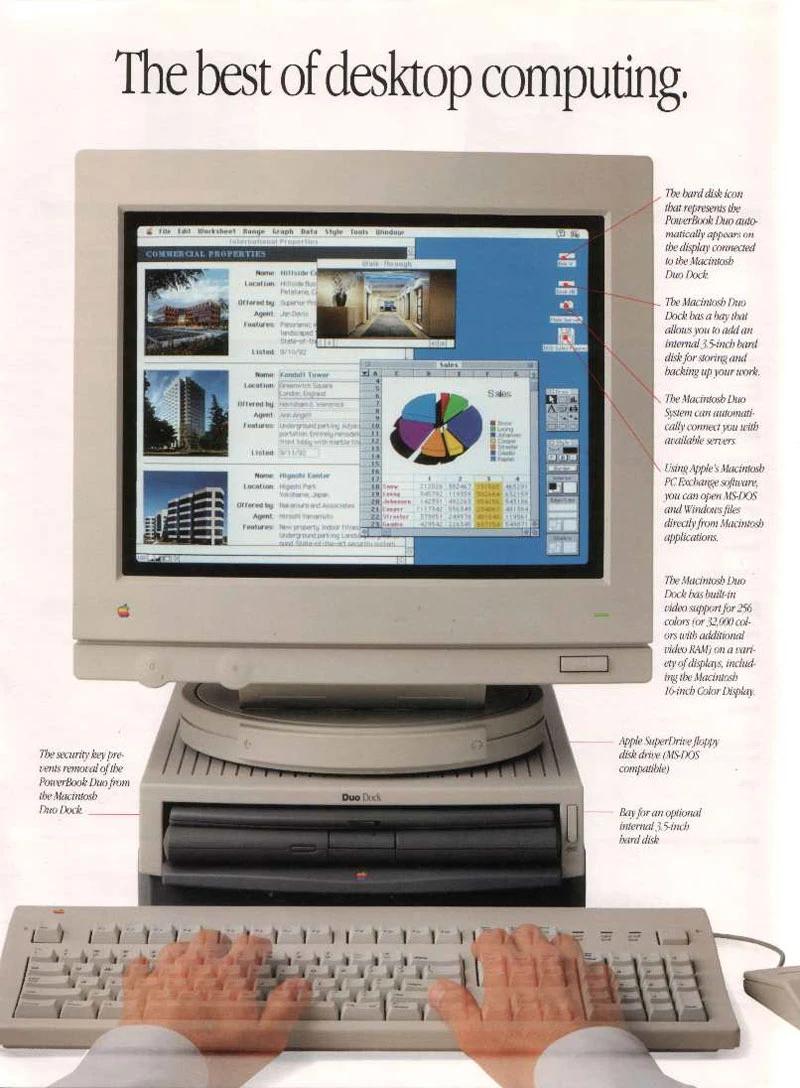
1992 PowerBook Duo System Brochure · Page 6
1992Brochure
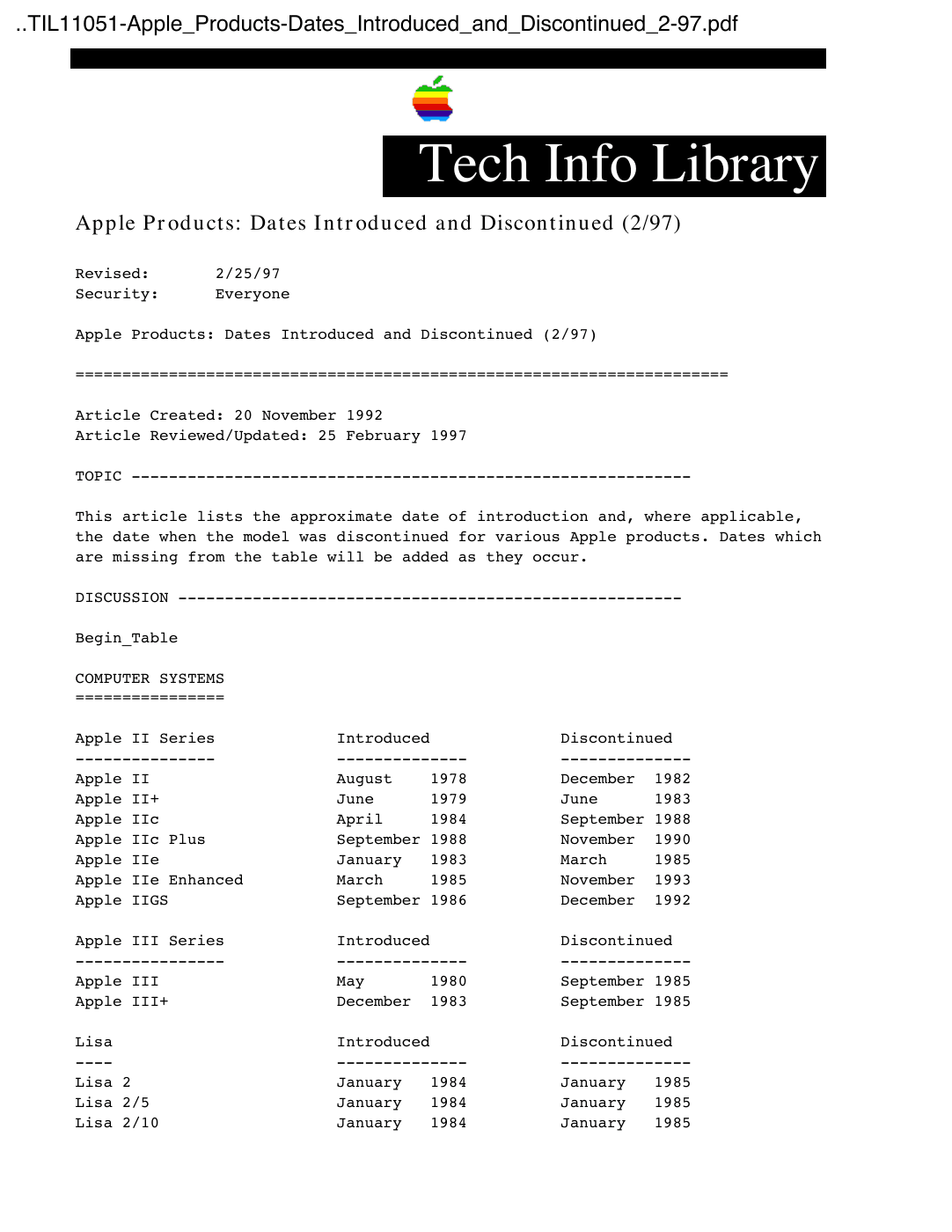
Apple product introduction and discontinuation dates - February1997 revision
1997Document
6 of 11 records
Details
Specifications
12 fields
- Hardware model
- M1298 ↗
- Picture tube
- 17-inch diagonal tube; 16-inch viewable image ↗
- Tube technology
- Trinitron ↗
- Resolution
- 832×624 pixels; 70 dpi ↗
- Refresh and scan rate
- 75 Hz vertical; 50 kHz horizontal ↗
- Adjustment
- Tilt-and-swivel base ↗
- Connections
- Three ADB ports ↗
- Size and weight
- 16.5×16.0×17.6 inches (H×W×D); 47 lb (21.3 kg in February 1993 Apple Facts) ↗
- Power
- 130 W maximum; 90–270 V AC, 47–63 Hz ↗
- Stripe pitch
- 0.26 mm ↗
- Screen surface
- Antistatic and antiglare ↗
- Degaussing
- Automatic ↗
Models
- Model numbers
- M1298
Sources
5 sources
- Apple Facts, February 1993 — dedicated 16-inch and 21-inch display entriesOriginal source
- Apple archived Macintosh 16-inch Color Display specificationsOriginal source
- Apple TIL11051 — approximate introduction/discontinuation table, February 25, 1997Original source
- Apple TIL15087 — display model numbers, January 19, 1995Original source
- Apple Scanners, Displays and PrintersOriginal source
Distinct Apple display hardware model, verified by Apple’s model-number chart and dedicated specifications; no regional, color, capacity or unnamed alias variant is created.
Catalog data: Original editorial text; factual identity and specifications attributed to the cited Apple publications.