Find My iPhone
Find My iPhone used an Apple account and location services to find a missing device and issue protective remote actions.
- First available
- June 18, 2010
Dates retain AppleDB's reported precision. 'Released' is the dataset's release field; it is not independently established as the announcement date or first retail availability in every region. This is an application-family record; imported release dates can identify a specific platform edition rather than the first use of the product name. App Store current-version dates are not substituted for original launch dates.
Image: Apple / Apple App Store · Rights reserved · official App Store screenshot ↗
History
The standalone app originally worked with MobileMe, then became part of the iCloud era. Its map, sound, Lost Mode and erase functions turned another device into a recovery console. Apple later combined device finding and friend location in the Find My application.
Media 2
View all ↗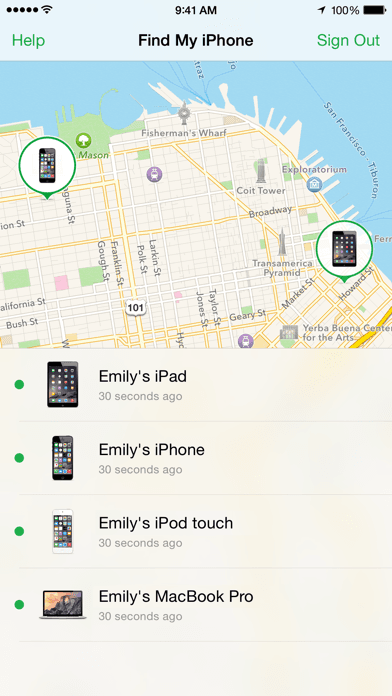
2 of 2 records
Details
Specifications
7 fields
- Actions
- Locate, play a sound, protect and remotely erase
- Requirement
- Find My enabled on the missing device
- Service
- Apple account and network connectivity
- Successor
- Find My
- Current listing version
- 4.0 ↗Apple App Store listing captured 2026-11-16; not the original release requirement.
- Current listing minimum iOS/iPadOS
- 8.0 ↗Apple App Store listing captured 2026-11-16; not the original release requirement.
- Current listing download size
- 11.3 MB ↗Apple App Store listing captured 2026-11-16; not the original release requirement.
Sources
3 sources
- Apple introduces iCloudOriginal source
- Find My iPhone — Apple App StoreOriginal source
- AppleDB: Find My iPhoneReference
Application or service family documented with version distinctions. Requirements explicitly labeled as current-listing values do not describe the original release. Public media and documentation are preserved; no installer redistribution rights are implied.
Catalog data: MIT