Apple II EuroPlus
The Apple II EuroPlus was the European version of the II Plus, identified explicitly in contemporary U.K. dealer advertising. A September 1979 advertisement announced the new EuroPlus through the Eurapple/Microsense distribution network.
- First available
- June 1979
- Discontinued
- December 1982
Inventory date, not independently verified announcement or shipping date; first-of-month dates may be approximate.
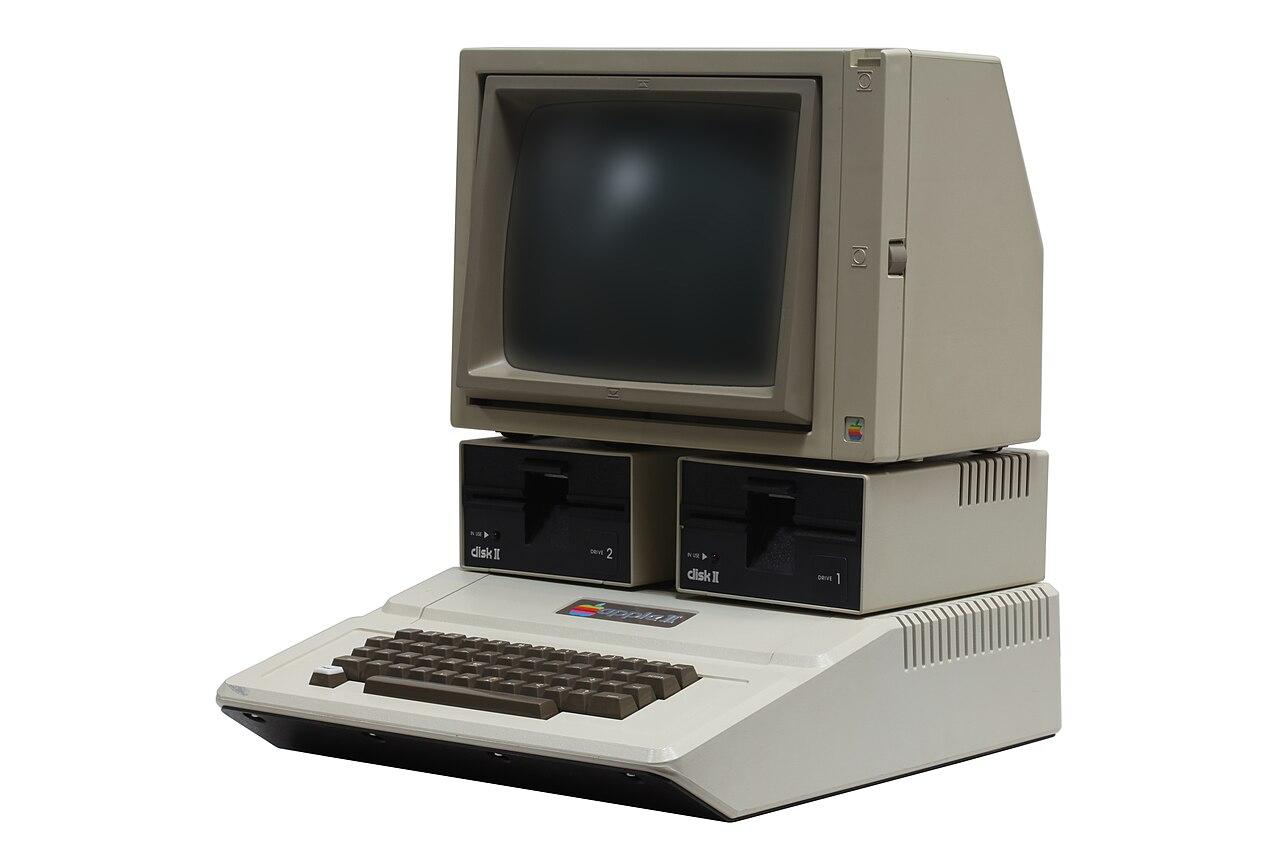
Image: MKFI / Wikimedia Commons · Public domain — photographer dedication ↗
History
The advertisement highlights the Autostart ROM and “PALSOFT” Applesoft ROM, including disk-based startup and firmware that avoided consuming RAM or a slot for a separate BASIC interpreter card. It advertised a black-and-white configuration, so that offer should not be read as an automatically supplied complete color system.
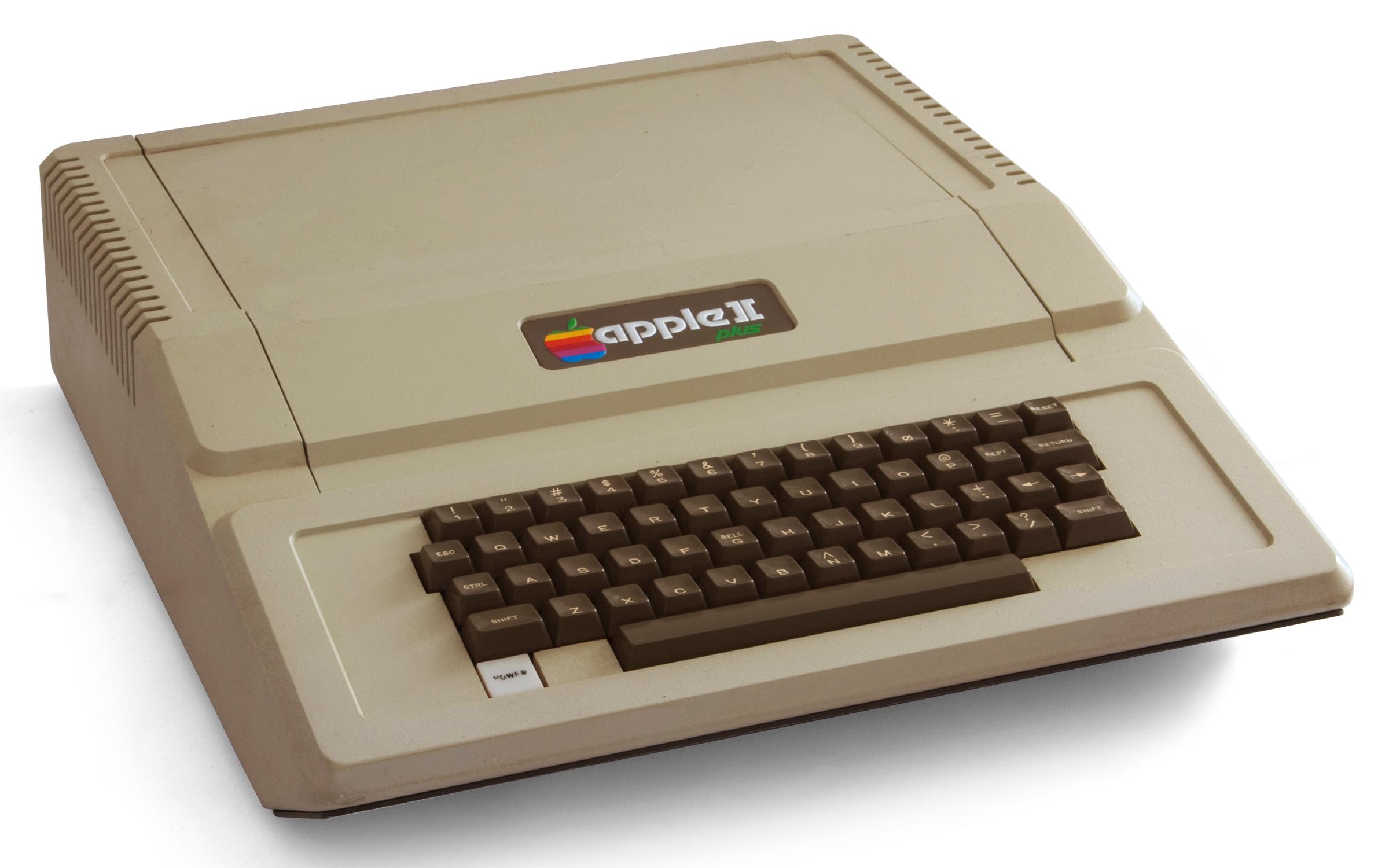
The EuroPlus retained the expandable Apple II keyboard-desktop form while adapting the product to its market. Its regional video/firmware identity, power configuration and label should be checked on a surviving machine instead of inferred from the beige case alone.
Media 1
View all ↗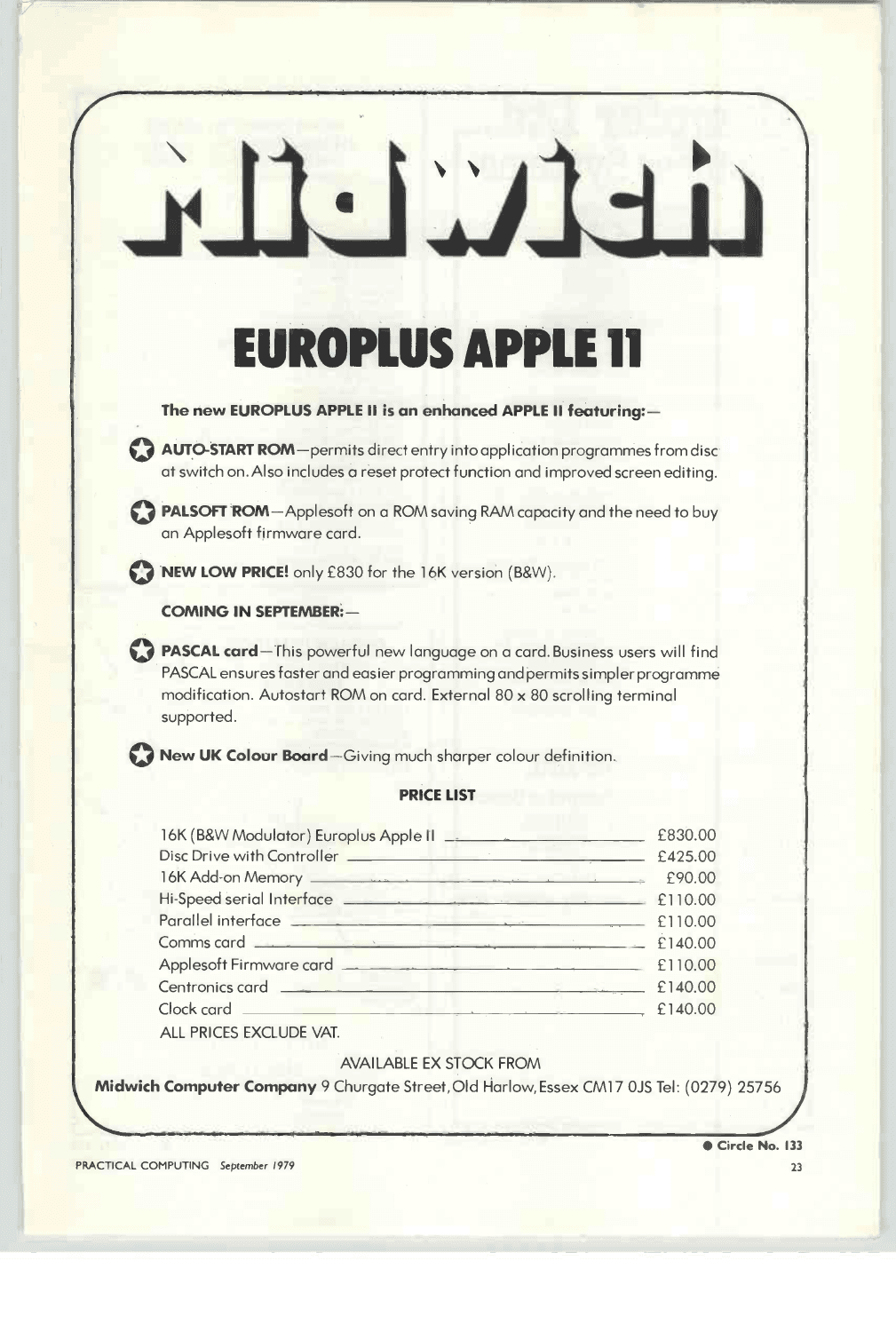
1 of 1 records
Details
Specifications
8 fields
- Platform
- European-market Apple II Plus derivative
- Firmware
- Autostart ROM; PALSOFT Applesoft ROM in the preserved 1979 dealer ad
- Language
- Applesoft BASIC in ROM
- Expansion
- Apple II internal-slot architecture
- Input
- Built-in Apple II-family keyboard
- Display offer in source
- Black-and-white configuration; display equipment and color capability must be checked by configuration
- Documented market
- United Kingdom / European distribution
- Period evidence
- September 1979 Practical Computing dealer advertisements
Sources
3 sources
- Wikipedia contributors — List of Apple productsReference
- Apple II EuroPlus — source articleReference
- Practical Computing, September 1979 — contemporary EuroPlus dealer advertisementsOriginal source
Checked against preserved original Apple documentation. The preserved advertisements establish the regional product and offered features; they do not establish one universal RAM or power-supply configuration.
Catalog data: CC BY-SA 4.0 (Wikipedia contributors)