Apple HDI-30 SCSI Disk Adapter
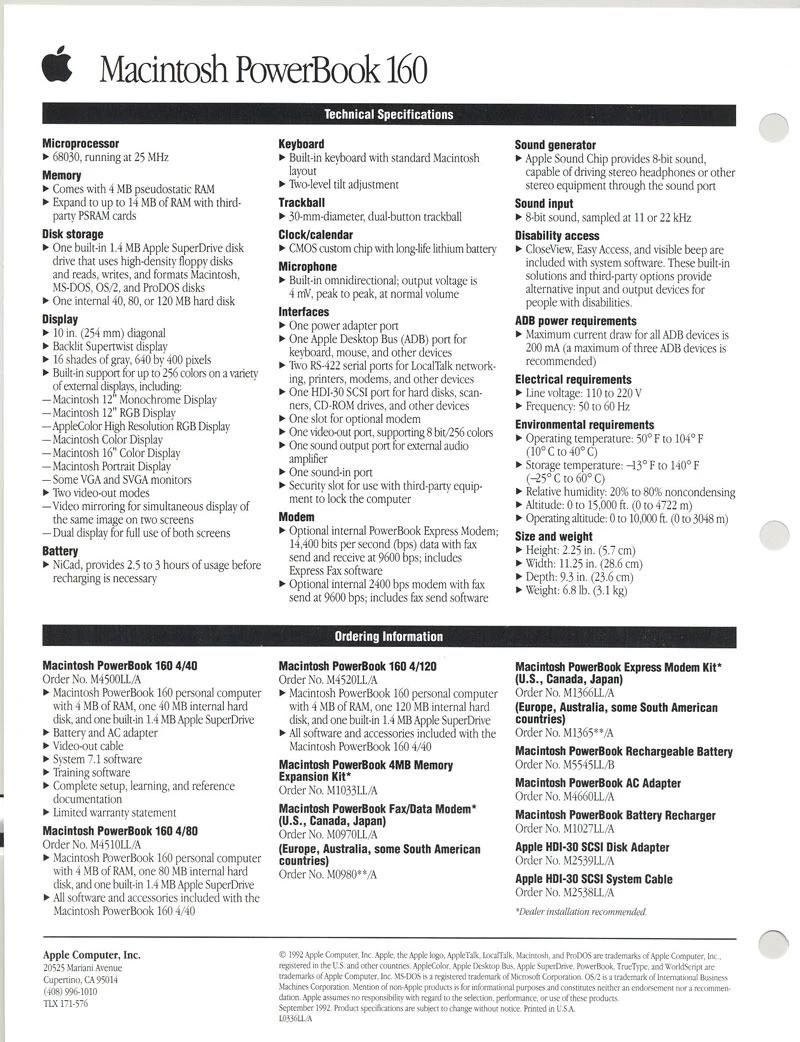
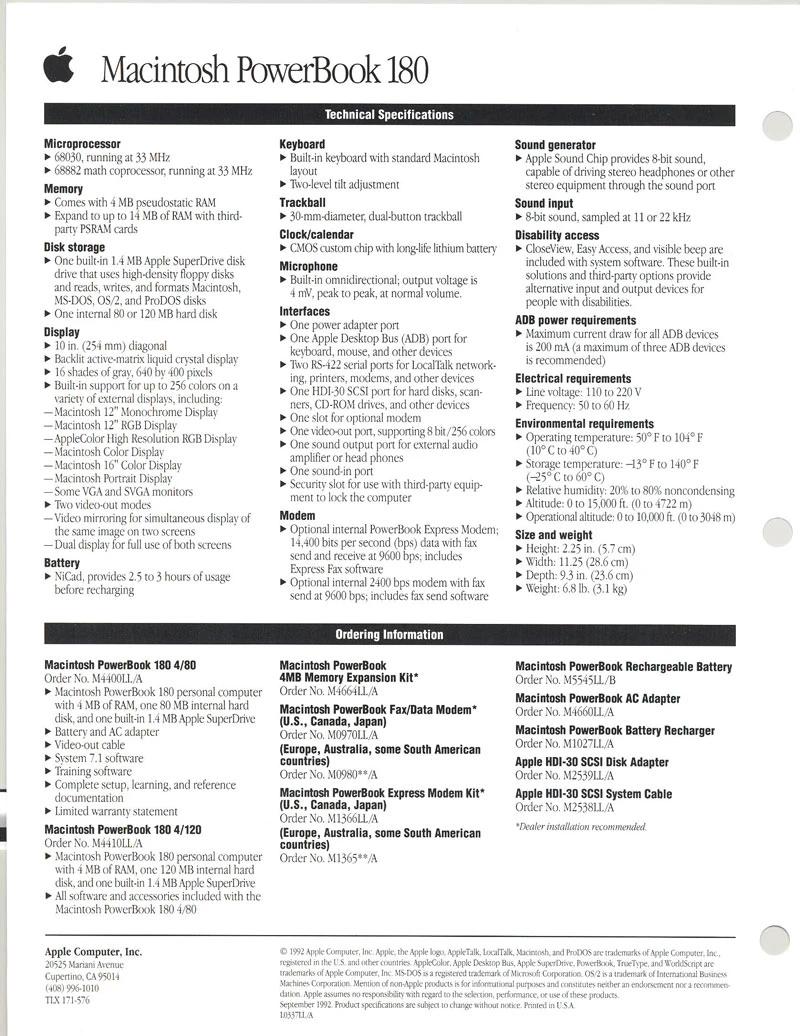
M2539 let a supported PowerBook appear as a SCSI disk to another Macintosh. Its 30th HDI-30 pin selects disk or HD Target Mode, unlike the 29-pin system cable.
- Date
- Undated
Introduction and first retail availability have not been established. Dates printed on the cited price lists, manuals and technical articles identify those source editions, not this product’s launch.
History
Apple’s cable table maps M2539LL/A to service part 590-0718. Its disk-mode article explains that the 30th fitted pin triggers the mode, and identifies unsupported PowerBooks: 140, 145, 145B, 150 and 170. PowerBook 190 and 5300 used the name HD Target Mode because their internal drives were IDE.
PowerBook Duo operation required the disk adapter together with a Duo MiniDock; the full Duo Dock, Duo Dock II and Duo Dock Plus did not support that disk-mode connection. Two retained Apple articles disagree about the outer Centronics connector’s gender, so that detail is left unresolved rather than choosing one description.
Media 14
View all ↗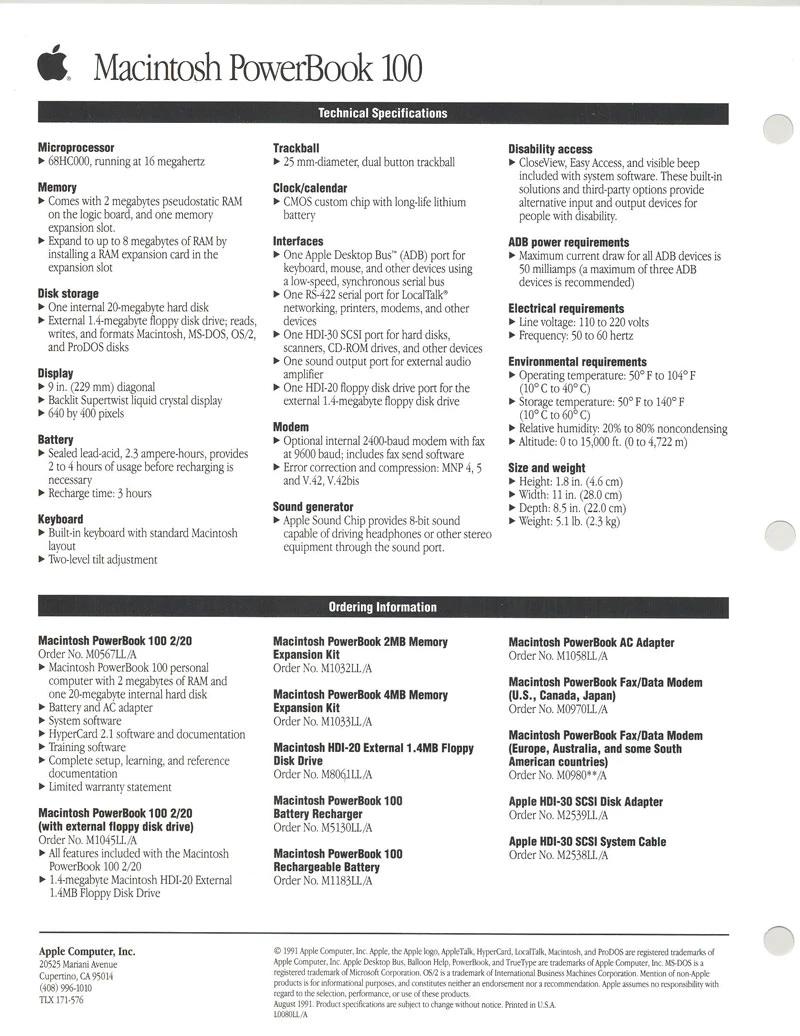
6 of 14 records
Details
Specifications
5 fields
- PowerBook connector
- HDI-30 male, 30 fitted pins ↗
- Function of pin 30
- Selects SCSI Disk Mode or HD Target Mode on a supported PowerBook ↗
- Outer interface
- 50-contact Centronics SCSI; connector gender conflicts between TIL13611 and TIL19911 and is not asserted ↗
- Excluded disk-mode models
- PowerBook 140, 145, 145B, 150 and 170 ↗
- Retail / service numbers
- M2539LL/A / 590-0718 ↗
Models
- Identifiers
- M2539LL/A, 590-0718
Sources
4 sources
- Apple TIL19911 — PowerBook: Cable Identification List, revised April 4, 1997Original source
- Apple TIL13611 — PowerBook: Using SCSI Devices, revised February 12, 1997Original source
- Apple TIL9137 — PowerBook: Which Models Support SCSI Disk Mode, revised September 17, 1996Original source
- Apple Facts — August 1997, printed pages 70, 83–84Original source
M2539 / 590-0718 disk-mode accessory, not the 29-pin peripheral cable. Primary connector-gender conflict explicitly retained. Exact standard photograph not established in this cohort; no sibling or generic cable image substituted.